
New Year. New Demographic and Health Surveys Program. Same Reliable, Accessible, Comparable Data.
We proudly announce the continuation and revitalization of The Demographic and Health Surveys (DHS) Program!
Our mission remains steadfast: to deliver high-quality, accessible, and actionable data that inform health and development efforts locally and globally.
- New surveys are underway, collecting population-based demographic, health, and nutrition data that are comparable across countries and over time.
- New datasets are available for free, as always, to researchers, programmers, and policymakers.
- Targeted innovations are in progress to enhance data quality and streamline survey processes.
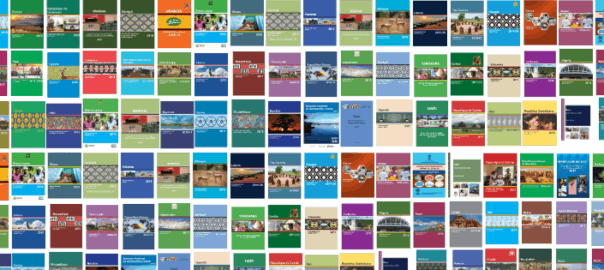
- Data from all 470+ DHS Program surveys are accessible at dhsprogram.com.
- New funding models are being explored to support partner countries’ data needs and the long-term future of The DHS Program.
Let’s Work Together
If you are with a Ministry of Health or National Statistics Office and are interested in fielding a survey, we’d like to talk with you about your needs and priorities.
If you are with a donor or other organization interested in supporting a survey or survey-related work, we can help you identify opportunities, including by elevating needs articulated by Ministries of Health and National Statistics Offices.
Contact us at: info@dhsprogram.com
Good data at country level